

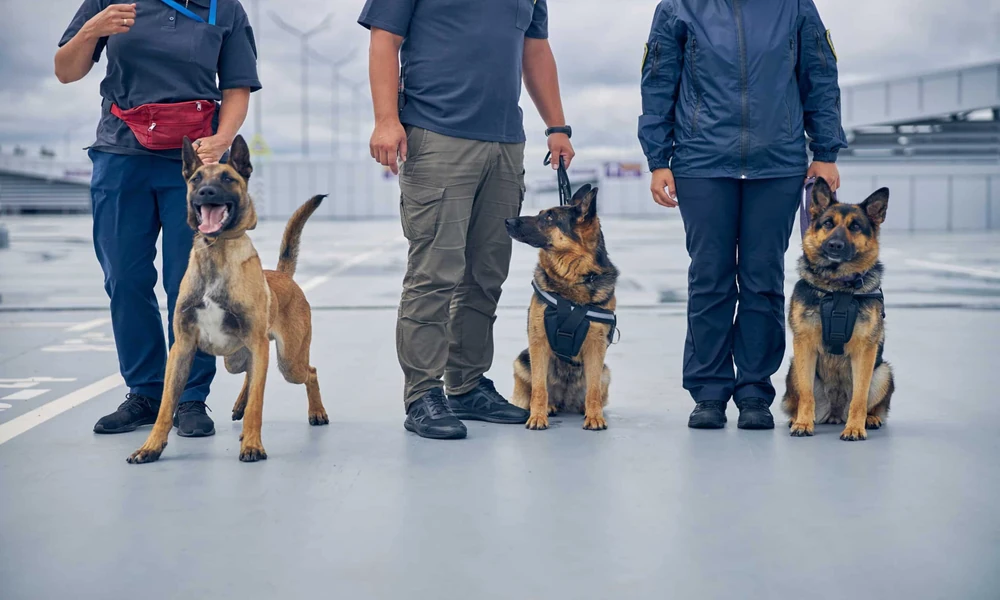
Personal security is an important concern for families, business owners, executives, and people who want extra protection at home. Because of this, the demand for protection dogs for sale has grown in recent years. These dogs are trained to stay calm around people and respond when there is a real threat. However, not every dog advertised as a protection dog has the same level of training. Some sellers may focus more on impressive videos and marketing than on the dog’s actual skills.
Choosing a protection dog is a serious decision. A well-trained dog should not simply look strong or act aggressive. It should be obedient, calm, confident, and able to follow commands even when placed in a stressful situation. Buyers also need to understand how the dog was trained, what it can do, and whether it can adjust to a normal family environment.
Understanding Protection Dog Training
Protection Training vs. Sport Training
One of the first things buyers should understand is the difference between sport training and protection training. Sport dogs are often trained for planned activities where the dog knows what to expect. They may chase a person wearing protective equipment, respond to certain movements, or perform a routine for a competition or demonstration.
While this type of training can show that a dog has drive and control, it does not always mean the dog is ready for real-life protection work. A real protection dog needs to deal with situations that may not follow a set routine. It should be able to listen to its handler, stay focused, and respond properly without depending on the same props or setup used during training.
This is why buyers should look beyond videos of dogs chasing or biting a training sleeve. A demonstration can look impressive, but it does not always show how the dog behaves at home, around visitors, or in an unexpected situation.
What Makes a Protection Dog Reliable?
A reliable protection dog needs more than the ability to respond to a threat. Basic obedience is one of the most important parts of its training. The dog should understand commands such as sit, stay, come, heel, and down, and it should be able to follow them consistently.
The dog should also be comfortable in different environments. It may need to spend time inside a home, walk through public areas, meet new people, and remain calm around other animals. A dog that becomes nervous or overly aggressive in normal situations can create problems for its owner.
Good protection training focuses on control. The goal is not to make a dog aggressive toward everyone. Instead, the dog should understand when it needs to respond and when it needs to remain calm.
Why the Handler Matters
Training does not end when the dog is delivered to its new owner. The relationship between the dog and its handler is also important. Even a well-trained dog needs an owner who understands its commands, behavior, and training needs.
Buyers should ask whether the trainer provides guidance after the sale. They should also find out whether the owner can work with the dog before taking it home. This can help the owner understand how the dog responds and how to continue its training.
A good protection dog should become part of the household while still being able to perform its trained duties. Building trust between the dog and its owner is an important part of making that possible.
Choosing the Right Protection Dog
Questions Buyers Should Ask
People looking for a protection dog should take time to ask detailed questions before making a purchase. A seller should be able to explain the dog’s training history, behavior, health, and experience.
Some useful questions include:
- Has the dog received off-leash obedience training?
- Can the dog follow commands without relying on treats or training props?
- How does the dog behave around children and visitors?
- How does the dog respond to other animals?
- Has the dog been trained in a home setting?
- Can the trainer provide a live demonstration?
- What type of training has the dog received?
- Will the trainer provide support after the dog goes home?
- Can the buyer meet and work with the dog before purchasing it?
These questions can help buyers understand what they are actually paying for. They can also help separate a professionally trained dog from one that mainly looks impressive in advertisements.
Be Careful With Marketing Claims
Buyers should also be careful when a company makes large claims about its dogs without showing clear proof. Words such as “elite,” “fully trained,” or “real protection dog” do not automatically tell buyers what the dog can actually do.
Videos should also be viewed carefully. A short video may only show the dog’s best performance during a controlled session. It may not show how the dog behaves for the rest of the day.
Whenever possible, buyers should visit the training facility and see the dogs in person. They can observe how the dogs interact with trainers, respond to basic commands, and behave outside of a planned protection exercise.
A Protection Dog Should Fit the Family
The right dog should fit the owner’s lifestyle and home. Families with children may have different needs from someone who lives alone or frequently travels for work. The dog’s age, size, energy level, training, and personality should all be considered.
A protection dog still needs regular exercise, training, care, and attention. It is not simply a security tool that can be left outside the house. Owners need to understand the time and responsibility that come with having a trained working dog.
A calm and well-controlled dog can provide companionship while also giving its owner an added layer of security. The goal should be a dog that can remain relaxed during normal daily activities and respond appropriately when its handler gives a command.
Focus on Quality and Long-Term Support
The number of dogs a company has available does not necessarily show the quality of its training. Buyers should pay more attention to the training process, the experience of the trainers, the condition of the dogs, and the support offered after purchase.
A responsible provider should be willing to answer questions and explain how its dogs are selected and trained. Buyers should also have a clear understanding of what is included in the purchase and what ongoing training may be needed.
Choosing a protection dog is a long-term commitment. Taking more time to research the provider and meet the dog can help buyers make a more informed decision.
Final Thoughts
A protection dog should offer more than an impressive appearance. The most important qualities are obedience, control, confidence, stability, and the ability to work closely with its handler.
For anyone searching for protection dogs for sale, research should come before making a decision. Visit trainers, ask questions, watch live demonstrations, and learn as much as possible about the dog’s training and behavior.
A properly trained protection dog is still a family companion and a living animal with its own needs. The right training should help the dog remain calm in everyday life while being prepared to respond when its handler truly needs it. In the end, reliable protection comes from good training, careful selection, responsible ownership, and a strong relationship between the dog and its handler.
