

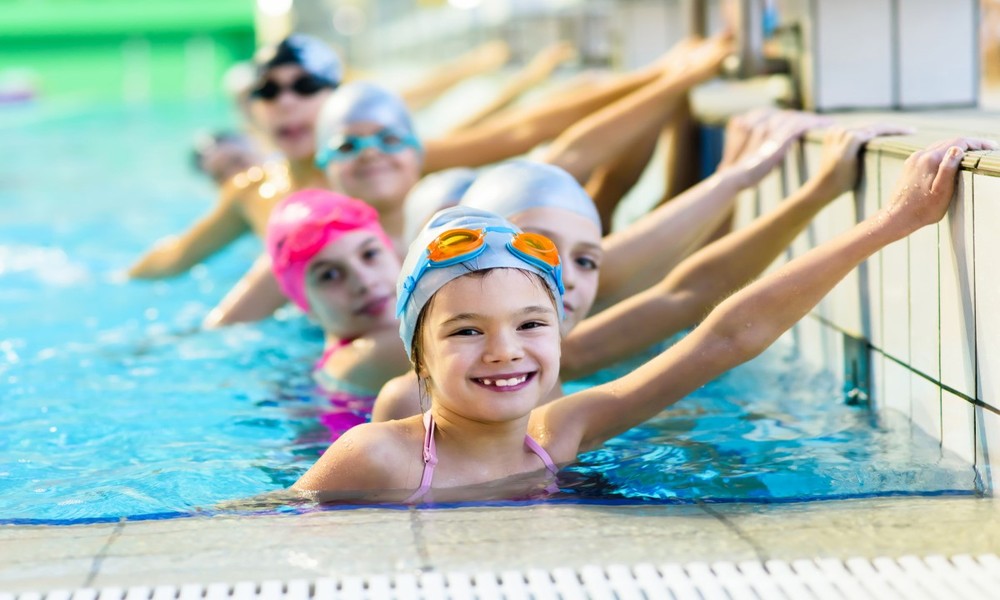
Something has shifted in children’s swimming over the last year or two. Not in the water itself, but in the way parents think about progress. I’m seeing more families ask better questions. Less “How fast will they swim a length?” and more “Will they feel calm in the water?” That change matters, because it leads to safer outcomes and happier kids. It also reflects a wider trend in children’s activities – parents want real skills, not rushed milestones.
I’ve spent years watching how different swim schools teach, what helps children settle, and what causes fear to stick around. When parents choose confidence first swimming, children tend to progress more smoothly. They also enjoy the process more. If you want a clear example of a school that puts calm foundations first, start with swimming tuition near you and look at how their teaching is structured.
This post breaks down why families are leaning into confidence first swimming, what that approach looks like in practice, and how it supports children in modern UK life – from busy pools to holidays, school swimming gaps, and the realities of young kids learning in water.
Confidence first is a response to real modern challenges
Parents don’t change their habits for no reason. They change because the old approach is failing more often. Many families have had at least one of these experiences:
A child learns “a bit of swimming” but still panics when splashed. A child can swim a short distance but cannot float. A child looks confident in shallow water then freezes near the deep end. A child gets pushed too fast in group lessons and starts refusing to go.
These issues don’t come from laziness or lack of ability. They come from fear, tension, and rushed progression. Confidence first swimming is a direct answer to that. It treats calm control as the foundation, not an optional extra.
Confidence is not personality, it is skill
Some people talk about water confidence as if it is a trait. “They’re just not confident.” That mindset is unhelpful. Confidence in water is a set of skills that can be taught and reinforced.
A confident young swimmer can:
- Stay calm when water hits the face
- Exhale in the water and breathe again without panic
- Float without gripping the wall
- Pause and recover instead of rushing
- Move in water without stiff posture
These are learned skills. They don’t require a fearless child. They require calm teaching and enough repetition to make the skills feel normal.
Parents have learned that distance can hide risk
Distance is easy to measure. Confidence is harder to see from poolside. That is why so many older lesson models chased distance early. It looked like progress. The child crossed the pool, the parent felt reassured.
But parents have started to notice something important. A child can cover distance while still lacking control. They might swim head up, kick hard, hold their breath, and reach the side exhausted. That child looks capable for ten seconds, then shows signs of stress.
Confidence first swimming flips the priorities. It builds control before it pushes for distance. When control is present, distance comes faster later and feels easier.
School swimming gaps have made parents more proactive
Many families still expect schools to handle swimming, but school swimming can be inconsistent. Some children get a short block of lessons. Some get little time in the water once transport and changing are taken into account. Group sizes can be large. Ability differences can be wide.
Parents are reacting to that reality. They are no longer waiting until Year 5 or Year 6 to “see how it goes”. They are booking structured swimming lessons earlier, with a focus on confidence and safety, not just a school target.
This is one reason searches for swimming lessons near me spike at predictable times – before summer, before holidays, and around the school swimming season. Parents want to fill gaps before they become problems.
The rise in holiday pool time has changed what parents value
Holiday pools are a different environment. They can be louder, deeper, more chaotic, and less predictable. A child who is fine in a quiet teaching pool can struggle when older children splash, inflatables bump into them, or depth changes suddenly.
Parents have started to connect the dots. They want a swimmer who can cope, not just a swimmer who can move forward. Coping means calm breathing, floating, and recovery skills. Those skills come from confidence first teaching.
This trend is positive because it aligns swimming lessons with real life water situations, not just poolside badges.
Parents are more aware of anxiety and sensory factors
Modern parenting conversations include more awareness of anxiety, sensory sensitivity, and emotional regulation. That has reached swimming as well.
Pools have strong sensory input. Echoes, whistles, cold air, bright lights, chlorine smell, wet hair, crowded changing rooms. Some children cope easily. Others feel overwhelmed. When they feel overwhelmed, fear rises.
Confidence first swimming acknowledges this. It slows down. It uses routine. It builds familiarity. It reduces pressure. It helps children regulate in water. That is why it works well for a wider range of children, not just the “naturally sporty” ones.
What confidence first teaching looks like in practice
Confidence first teaching is not a slogan. It shows up in the lesson structure and the order of skills.
Instead of pushing early stroke distance, the instructor spends time on:
Breathing control – calm exhale, calm inhale, face comfort.
Floating – back float and front float skills that reduce panic.
Body position – learning how to stay long and stable in water.
Recovery – what to do when a splash happens or balance is lost.
Simple movement – glides, pushes, gentle kicks that build control.
When those foundations are stable, stroke work becomes smoother. The child learns strokes with less tension and more control. This is why confidence first often leads to better technique later, even if early progress looks slower on the surface.
Why this approach helps children who “go backwards”
Many parents think their child has regressed when confidence dips. In reality, confidence often fluctuates. It can dip after a break, after illness, after a growth spurt, or after one surprising moment in the pool.
Confidence first programmes treat dips as normal. They don’t punish them. They return to foundations and rebuild calm control. That prevents fear from hardening into long term avoidance.
This is a big reason families stick with confidence first teaching once they experience it. It feels more stable across real life disruptions.
The best swim schools now communicate progress differently
When parents choose confidence first swimming, they also tend to prefer clear communication. They want to understand what “progress” means beyond distance.
A good programme makes it clear that early wins include:
Entering the pool calmly.
Putting the face in the water without distress.
Blowing bubbles with control.
Floating with less support.
Moving away from the wall without panic.
Recovering after a splash.
These are not small wins. They are the building blocks that keep children safe and make later swimming easier.
If you want to see how a structured programme lays out this progression, look at the children’s swimming programme page and you will see a clear focus on calm skill building rather than rushed distance targets.
Confidence first also reduces “lesson refusal” cycles
One of the hardest things for families is when a child starts refusing lessons. That refusal often begins after fear spikes. A child gets pushed too fast, swallows water, loses balance, or feels embarrassed. The next week, they resist going. Parents then feel stuck between forcing the issue and giving up.
Confidence first teaching reduces this cycle because it prevents fear spikes from becoming shame. The child feels supported, not judged. They learn that it is normal to find something hard. They learn that they can try again without pressure.
That is how you keep children in lessons long enough to become safe swimmers.
Why confidence first helps technique in the long run
Some parents worry that focusing on confidence means delaying real swimming. It’s the opposite. Confidence supports technique because technique needs relaxation.
A tense child will lift the head, sink the legs, and kick hard to stay up. That creates drag and fatigue. A relaxed child will hold a better body position and use less energy. That makes stroke learning far easier.
Confidence first teaching also prevents bad early habits from becoming fixed. It is easier to teach correct breathing and body position early than to undo head up swimming later.
The seasonal factor parents are responding to
This year, I’m seeing more families plan swimming around the calendar, not as a last minute fix. They start in spring to prepare for summer. They keep lessons steady through autumn to avoid winter drop offs. They plan around school swimming blocks instead of relying on them.
This is a smart trend. It treats swimming as a long term life skill rather than a short course. It also reduces the stress of “we have a holiday coming, we need them to swim”.
When children have a steady rhythm, they retain confidence. When they retain confidence, they enjoy water more.
What parents can do to support confidence first learning
Parents don’t need to teach strokes. In fact, it often backfires when parents coach from poolside. The best support is calm and consistent.
Here are a few simple habits that align with confidence first swimming:
- Keep your language calm around water
- Avoid comparing your child to others
- Praise effort and calm behaviour, not distance
- Let the instructor lead the teaching cues
- Focus on routine and regular attendance
These habits reduce pressure. Reduced pressure helps children relax, and relaxed children learn faster.
Why this trend is good news for safety
Confidence first swimming is a safety upgrade. It prioritises the skills that matter when things don’t go perfectly. It teaches children how to recover. It makes panic less likely. It creates swimmers who can stop, float, breathe, and think.
Those are the skills that protect children in busy pools, holiday settings, and unexpected situations.
Distance still matters. Strokes still matter. But confidence is what makes those skills usable under stress.
A calm recommendation for families in Leeds
If you are based locally and you want a confidence first approach, look for a programme that builds breathing, floating, and recovery skills before pushing distance. It should feel structured and calm, not rushed.
For parents searching specifically for swimming lessons in Leeds, you can review the local options here: learn to swim in Leeds. A steady confidence first structure gives children the best chance of becoming safe, capable swimmers who enjoy the water.
Where this trend goes next
I expect confidence first swimming to keep growing. It matches what modern families need. It respects how children learn. It reduces fear and improves safety. It also produces better swimmers over time, not just children who can rush a length.
If you are choosing swimming lessons this year, confidence first is the sensible choice. Not because it sounds nice, but because it works.
Top of Form
Bottom of Form
